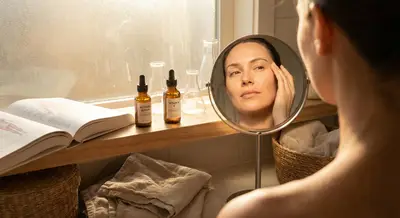

Aging is inevitable. Looking tired, dull, and older than you feel is not. The most effective anti-aging skincare isn’t about chasing trends or buying the most expensive serum—it’s about understanding what actually works on a cellular level and building a routine you can stick with. This guide breaks down the proven ingredients, smart product choices, and step-by-step routines that help your skin look smoother, firmer, and more radiant over time.
How Skin Actually Ages: What You’re Fighting Against
To build an effective anti-aging routine, it helps to know what you’re targeting. Skin aging has two major drivers:
Intrinsic aging (chronological aging)
This is your built-in biological clock—genetics, hormones, and time. Collagen production slows, cell turnover decreases, and skin naturally becomes thinner and drier.
Extrinsic aging (environmental aging)
This is where you have the most control. UV exposure, pollution, smoking, sleep, diet, and stress accelerate: - Collagen breakdown → fine lines and wrinkles - Elastin damage → loss of firmness and sagging - Pigment changes → dark spots, uneven tone - Oxidative stress → dullness, rough texture, enlarged pores
Up to 80% of visible facial aging is linked to UV exposure over time. That’s why anti-aging starts with protection—and then focuses on repair.
The Anti-Aging “Big Five”: Ingredients That Actually Work
Most anti-aging products are built around a handful of evidence-based ingredients. Understanding what they do helps you choose smarter and avoid duplicates.
1. Retinoids (Retinol, Retinal, Tretinoin)
What they do
Retinoids are vitamin A derivatives and the gold standard for anti-aging. They:
- Increase cell turnover → smoother texture, fewer clogged pores
- Stimulate collagen production → fewer lines and improved firmness
- Reduce hyperpigmentation → more even tone
- Improve overall skin quality over months and years
Common forms
- Retinoic acid (tretinoin, adapalene, tazarotene) – prescription strength; fastest and strongest
- Retinal (retinaldehyde) – potent over-the-counter (OTC) option; one conversion step to retinoic acid
- Retinol – widely available, effective but milder/slower
- Retinyl esters (retinyl palmitate, etc.) – weakest, better for very sensitive or “starter” routines
Key tips
- Start 1–2x per week and increase slowly to avoid irritation.
- Always pair with moisturizer and daily sunscreen.
- Expect mild dryness or flaking in the first weeks; results build over 3–6 months.
2. Sunscreen (Your #1 Anti-Aging “Product”)
What it does
Broad-spectrum sunscreen blocks:
- UVA (aging rays): penetrate deeper, break down collagen and elastin
- UVB (burning rays): cause sunburn and contribute to skin cancer
Daily, consistent sunscreen use:
- Reduces wrinkle formation
- Minimizes dark spots and uneven tone
- Lowers skin cancer risk
What to look for
- Broad-spectrum (UVA + UVB)
- SPF 30 or higher for daily use (higher for prolonged outdoor time)
- Texture you actually like (cream, gel, fluid, stick) so you’ll use enough
Use ~2 fingers’ length of product for face and neck, and apply every morning, reapplying every 2 hours if in direct sun.
3. Vitamin C (L-Ascorbic Acid and Derivatives)
What it does
Vitamin C is a powerful antioxidant that:
- Neutralizes free radicals from UV and pollution
- Supports collagen synthesis
- Brightens dark spots and overall tone
- Enhances sunscreen effectiveness (when used underneath)
Best practices
- Look for L-ascorbic acid 10–20% in water-based formulas if your skin tolerates it.
- Sensitive skin may prefer derivatives (e.g., sodium ascorbyl phosphate, tetrahexyldecyl ascorbate).
- Store in opaque, air-tight packaging to prevent oxidation (yellowing or darkening).
4. Niacinamide
What it does
Niacinamide (vitamin B3) is one of the most versatile and gentle actives:
- Improves barrier function and hydration
- Reduces redness and inflammation
- Minimizes the look of pores and uneven texture
- Helps fade hyperpigmentation over time
- Can support collagen and elastin protection
It plays well with most ingredients (including retinoids and vitamin C), making it a smart choice for sensitive or reactive skin.
5. Hydroxy Acids (AHAs, BHAs, and PHAs)
What they do
Exfoliating acids smooth tone and texture by dissolving bonds between dead skin cells:
- AHAs (glycolic, lactic, mandelic): Improve fine lines, texture, and pigmentation; attract water, so they can be hydrating.
- BHA (salicylic acid): Oil-soluble; penetrates pores and helps with acne, congestion, and some types of enlarged pores.
- PHAs (gluconolactone, lactobionic acid): Gentler, larger molecules; good for sensitive skin.
Use 1–3x/week depending on strength and skin tolerance. Overuse can damage the barrier and accelerate visible aging, so more is not better here.
Building a Science-Backed Anti-Aging Routine (Step-by-Step)
The most effective routine is the one you can keep doing. Below is a simple framework you can tailor to your skin.
Step 1: Identify Your Top 2–3 Concerns
Common goals:
- Fine lines and wrinkles
- Loss of firmness
- Dark spots and uneven tone
- Dullness and rough texture
- Enlarged pores or congestion
- Redness and sensitivity
Prioritize. It’s better to treat two issues effectively than to overwhelm your skin with ten actives.
Morning Routine: Protect, Brighten, and Hydrate
1. Gentle Cleanser (optional in very dry skin)
Use a low-pH, non-stripping cleanser. In dry or sensitive skin, you can rinse with water only in the morning.
2. Antioxidant Serum (Vitamin C + Friends)
Ideal for: brightening, collagen support, environmental protection.
Look for:
- Vitamin C (10–20% L-ascorbic acid or a stable derivative)
- Optional co-antioxidants: vitamin E, ferulic acid, resveratrol
3. Hydration + Barrier Support
Choose based on skin type:
- Oily/combination: lightweight gel moisturizer or serum with niacinamide, glycerin, or hyaluronic acid.
- Normal/dry: creamier moisturizer with ceramides, fatty acids, and cholesterol.
4. Sunscreen (Non-Negotiable)
Apply a broad-spectrum SPF 30+ every morning, last step of skincare (before makeup).
Evening Routine: Repair, Stimulate, and Rebuild
1. Makeup-Removing Step (If You Wear SPF/Makeup)
Use a cleansing balm or micellar water, followed by a gentle cleanser (double cleanse).
2. Gentle Cleanser
Same as morning, but more important at night to remove buildup.
3. Active Treatment (Retinoid or Exfoliant)
Most people will benefit from:
- Primary anti-aging active: retinoid (retinol/retinal or prescription tretinoin)
- Occasional exfoliant: AHA/BHA/ PHA 1–3x per week at night, not on retinoid nights in sensitive skin
If you are new to actives:
- Start with a retinoid 2x per week.
- Use a gentle acid exfoliant 1x per week on a non-retinoid night.
- Build slowly as your skin tolerates.
4. Moisturizer
Look for:
- Ceramides, cholesterol, fatty acids (support barrier)
- Humectants (glycerin, hyaluronic acid) for hydration
- Occlusives (squalane, dimethicone, some oils) if you are dry or in a cold climate
You can “sandwich” retinoids with moisturizer (apply a thin layer before and after) to reduce irritation.
Smart Product Recommendations by Category
These are example product types and well-regarded lines to help you navigate options. Always patch test and introduce new actives gradually.
Cleansers
Look for: low-foam, sulfate-free, pH-balanced formulas.
- CeraVe Hydrating Facial Cleanser – Gentle, ceramides, suitable for normal to dry skin.
- La Roche-Posay Toleriane Purifying Foaming Cleanser – Good for normal to oily skin; non-stripping.
Sunscreens
Look for: broad-spectrum SPF 30+ you enjoy using.
- EltaMD UV Clear Broad-Spectrum SPF 46 – Lightweight, niacinamide, great for acne-prone or sensitive skin.
- La Roche-Posay Anthelios Melt-In Milk SPF 60 – High protection, water-resistant; better for outdoor activities.
Vitamin C Serums
Look for: stabilized formulas, opaque or dark glass packaging.
- SkinCeuticals C E Ferulic – L-ascorbic acid 15% with vitamin E and ferulic acid; industry benchmark (pricey but highly studied).
- La Roche-Posay Pure Vitamin C10 Serum – 10% vitamin C with salicylic acid and neurosensine; gentler option for beginners.
Retinoids (OTC)
Start low and slow; choose based on your sensitivity.
- La Roche-Posay Retinol B3 Serum – Gradual-release retinol plus niacinamide for sensitive skin.
- CeraVe Resurfacing Retinol Serum – Encapsulated retinol with ceramides and niacinamide; good for texture and post-acne marks.
- Adapalene 0.1% (Differin Gel) – OTC retinoid originally for acne; also beneficial for texture and fine lines.
For prescription retinoids (like tretinoin), consult a dermatologist.
Exfoliating Acids
Use 1–3x/week, and not on nights when you’re new to retinoids.
- Paula’s Choice Skin Perfecting 2% BHA Liquid Exfoliant – Salicylic acid; great for congestion and oily T-zones.
- The Ordinary Lactic Acid 5% + HA – Gentle AHA, good starter for dry or sensitive skin.
Barrier-Boosting Moisturizers
Look for ceramides, cholesterol, and fatty acids.
- CeraVe PM Facial Moisturizing Lotion – Lightweight, with niacinamide and ceramides.
- Neutrogena Hydro Boost Gel-Cream (Extra-Dry Skin) – Hyaluronic acid–rich, water-gel texture, good under makeup.
How to Adapt Anti-Aging Skincare by Decade
In Your 20s: Prevention Mode
Focus on:
- Sunscreen daily
- Basic antioxidant serum (vitamin C)
- Optional gentle retinoid a few nights per week if your skin tolerates it
- Avoid over-exfoliation and harsh scrubs
Goal: Keep collagen breakdown minimal and habits consistent.
In Your 30s: Early Correction + Prevention
You may start noticing:
- Fine lines around eyes and mouth
- Mild dullness or uneven tone
- Post-acne marks that linger longer
Adjustments:
- Regular retinoid use (2–4 nights/week)
- Targeted vitamin C and/or niacinamide serum in the morning
- Acid exfoliant 1–2x/week for glow and texture
In Your 40s and Beyond: Firmness, Volume, and Texture
You may see:
- Deeper lines
- Loss of firmness along jawline and cheeks
- More pronounced pigmentation, roughness, and dryness
Adjustments:
- Consider stronger or prescription retinoids under professional guidance
- Lean into barrier support (ceramides, richer moisturizers)
- Combine topicals with professional treatments (peels, microneedling, lasers, neuromodulators, fillers) if desired
Lifestyle factors (sleep, nutrition, exercise) play a bigger visible role now; skincare works best alongside these changes.
Common Mistakes That Accelerate Visible Aging
Avoid sabotaging your routine with these habits:
Skipping sunscreen while using actives
Retinoids and acids increase sensitivity; unprotected sun exposure cancels out much of their benefit.
Using too many strong products at once
Over-exfoliation and over-layering can damage your barrier, leading to redness, flaking, and more visible lines.
Treating irritation as “normal”
Persistent burning, stinging, or peeling is a sign to slow down, reduce frequency, or simplify.
Expecting overnight results
- Antioxidants: 4–8 weeks for brightness - Retinoids: 3–6 months for texture and lines; 12+ months for collagen-level changes - Pigmentation: highly individual, often 3–9 months
Ignoring your neck, chest, and hands
These areas often reveal age first. Extend your sunscreen and actives down and outwards.
When to See a Dermatologist
It’s worth consulting a professional if:
- You have stubborn hyperpigmentation or melasma.
- You’re considering prescription-strength retinoids or combination treatments.
- You have a history of skin cancer or numerous atypical moles.
- Your skin is persistently red, stinging, or reactive despite gentle care.
A dermatologist can tailor a plan, recommend prescription options, and combine topicals with in-office procedures for more dramatic results.
Conclusion
Anti-aging skincare isn’t about fighting your age—it’s about supporting your skin so it looks healthy, resilient, and vibrant at every stage of life. Focus on what’s proven:
- Daily sunscreen
- Consistent use of retinoids and antioxidants
- Smart exfoliation
- A strong, well-nourished skin barrier
From there, refine based on your unique skin and goals. With a strategic approach and realistic timeframes, your routine becomes less about chasing miracles and more about steadily investing in your future face—one night cream, serum, and SPF application at a time.
Sources
- [American Academy of Dermatology – How to create an anti-aging skin care plan](https://www.aad.org/public/everyday-care/skin-care-basics/anti-aging/anti-aging-plan) – Overview of dermatologist-recommended anti-aging skincare strategies
- [Harvard Health Publishing – Retinoids: The cream of the crop for anti-aging treatment](https://www.health.harvard.edu/staying-healthy/retinoids-the-cream-of-the-crop-for-anti-aging-treatment) – Explains how retinoids work and summarizes evidence for wrinkle and texture improvement
- [Skin Cancer Foundation – Sunscreen](https://www.skincancer.org/skin-cancer-prevention/sun-protection/sunscreen/) – Science-backed guidance on sunscreen use, SPF levels, and protection from photoaging
- [Mayo Clinic – Skin care: 5 tips for healthy skin](https://www.mayoclinic.org/healthy-lifestyle/adult-health/in-depth/skin-care/art-20048237) – General principles for maintaining skin health and barrier support
- [Journal of Clinical and Aesthetic Dermatology – Topical Vitamin C in Aging](https://www.ncbi.nlm.nih.gov/pmc/articles/PMC5579659/) – Peer-reviewed review of vitamin C’s role in collagen synthesis, photoprotection, and anti-aging benefits
Key Takeaway
The most important thing to remember from this article is that this information can change how you think about Anti-Aging.